
Dating advice
First Date Ideas for Politically Minded Couples
By The Dating Democrat Team
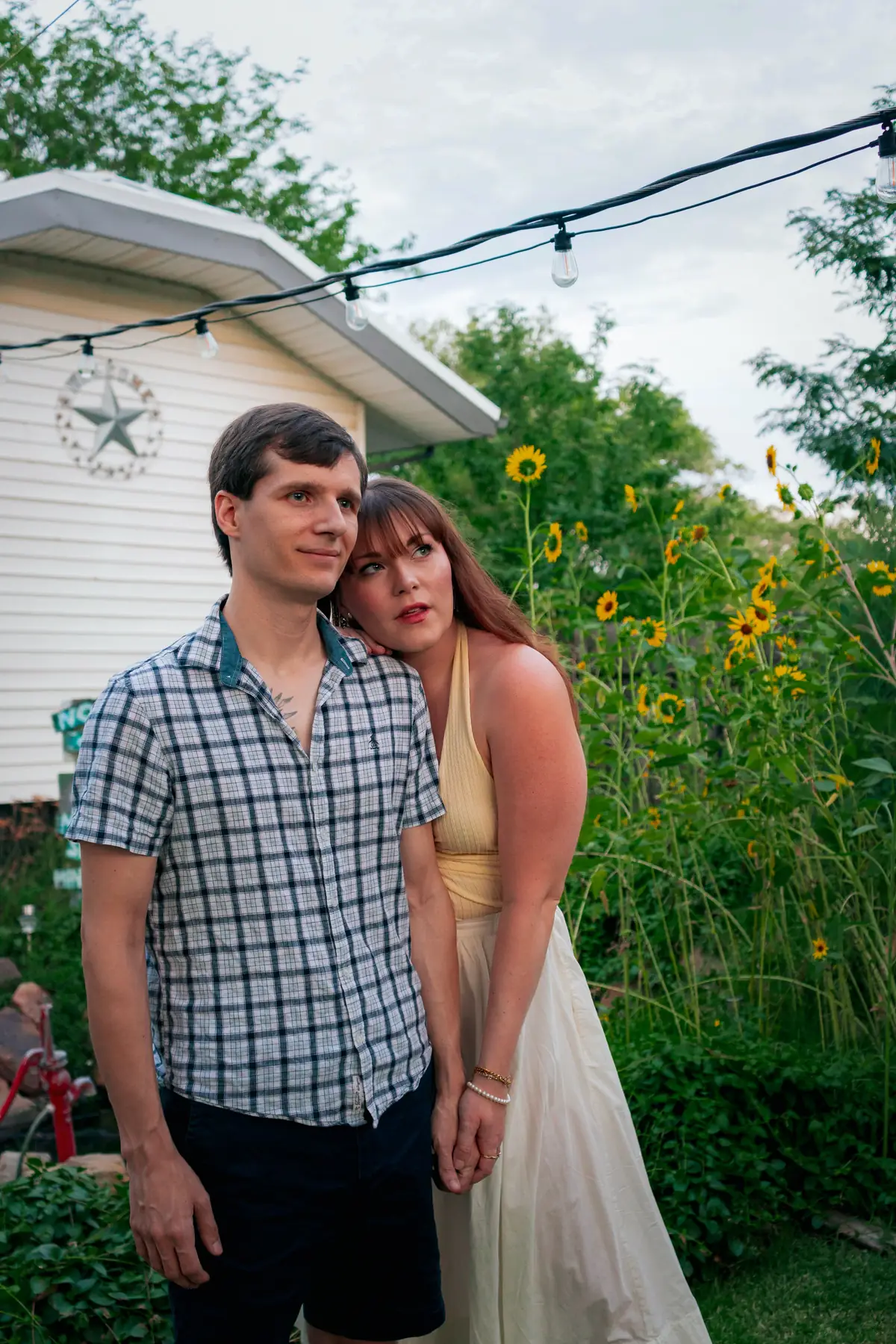
A first date has one job: give two people enough space to find out if they want a second one. That's it. It doesn't need to be a policy debate, a full autobiography, or a three-hour dinner you can't escape if it's going badly. The best first dates for politically engaged people tend to share a few traits: they're low-pressure, they have a natural end point, and they leave room for real conversation without forcing it.
Skip the debate, keep the conversation
There's a common misconception that two politically engaged people on a first date will inevitably end up debating policy. In practice, most people who care deeply about politics don't want their first date to feel like a extension of a campaign meeting. What actually works better is a setting relaxed enough that political alignment comes up naturally, through a shared reaction to something you see or do together, rather than as a formal Q&A.
That's why activity-based dates tend to outperform sit-down dinners for a first meeting. You're not staring at each other across a table with nothing to react to. You're doing something, which gives you natural pauses, shared moments, and an easy exit if it's not clicking.
Community-adjacent dates
A lot of Dating Democrat members are already involved in some form of local organizing, volunteering, or civic life. A first date built around one of those activities, a community garden workday, a local farmers market, a park cleanup, tends to work well for a specific reason: it shows you something about how a person shows up, not just how they talk. Do they follow through? Are they kind to strangers? Do they actually care about the thing they say they care about? You learn more about compatibility from watching someone volunteer for two hours than from an hour of conversation.
These dates also come with a built-in low-pressure structure. You're both there to do something, so the date has a natural shape and a natural end point, without the awkwardness of trying to figure out when to leave a restaurant table.
Walk-and-talk dates
A walk, through a park, a neighborhood, along a waterfront, is one of the most reliable first-date formats, and it's popular among Dating Democrat members for good reason. Walking side by side rather than sitting face to face tends to lower the intensity of conversation, making it easier to talk about real things without the pressure of direct eye contact the whole time. It's also easy to shorten or extend depending on how things are going, and it doesn't require reservations or a check.
Pair it with a coffee or a stop at a local bookstore, and you've got a date that costs very little, requires no advance planning, and still gives you a real read on whether you enjoy each other's company.
Low-stakes shared experiences
A museum, a local art walk, a farmers market, a trivia night: these all share a common structure. There's something to react to together, which takes the pressure off pure conversation, but there's still plenty of room to talk. They also tend to reveal genuine compatibility faster than dinner does, because you get to see how someone reacts to something in real time, not just how they describe themselves.
What to skip on a first date
Long dinners with no natural exit point can make an average date feel worse than it is, simply because there's no graceful way to end it early. Big group events, weddings, large parties, put too much pressure on a first meeting and don't give you enough one-on-one time to actually connect. And anything that requires a significant financial or time commitment before you know if there's mutual interest is generally best saved for date two or three.
Reading the room without overthinking it
A good first date isn't about performing your politics for someone. It's fine, and honestly more common than not, for values to come up naturally rather than as a stated topic. If you're at a farmers market together and one of you mentions a local ballot measure, or you're walking through a park and a conversation about climate turns into a longer one, that's the alignment showing itself organically. You don't need to force it, and you shouldn't. The point of dating someone from a shared values pool is that you don't have to manufacture those moments; they happen because you're both already oriented the same way.
At the same time, it's worth remembering that a first date is still just a first date. Not every conversation needs to go deep, and it's completely normal for a first meeting to stay lighter, focused on getting a read on chemistry and everyday compatibility rather than working through every shared value in one sitting. There will be time for the deeper conversations if there's a second date.
Second and third date ideas that build on a good first one
If a first date goes well, a natural next step is something with a bit more time and depth: a longer hike, a cooking-together evening, or attending a community event together, a town hall, a local screening, a volunteer day, that gives you a chance to see each other in a slightly more involved setting. These kinds of dates work particularly well for politically engaged couples because they combine the low-pressure structure of an activity date with more substantial shared time.
Some members also find that a shared volunteer commitment, a recurring Saturday morning at a food bank, a monthly canvassing shift, becomes a genuinely good relationship-building activity once a few dates in. It's not for everyone this early, but it reflects a broader pattern: for a lot of Dating Democrat members, the line between "date" and "doing something that matters together" is thinner than it is on more general dating platforms.
A note on cost and accessibility
None of the ideas above require much money. A walk, a farmers market, a community event, coffee, these are all accessible regardless of budget, which matters because financial pressure on a first date can create its own kind of awkwardness. Keeping the bar low for a first meeting isn't just practical, it also takes the pressure off both people to perform, which tends to lead to a more honest, relaxed conversation, exactly the kind that tells you whether you actually want a second date.
Planning around each other's schedules
A lot of politically engaged people have genuinely full calendars, local meetings, volunteer commitments, advocacy work, on top of the usual demands of work and life. It's worth being upfront about that when you're planning a first date rather than treating it as a scheduling inconvenience. A weeknight coffee before a meeting, or a Sunday morning walk before other plans, can work just as well as a traditional Friday night date, and it often signals respect for the other person's time and priorities right from the start.
If your schedules are both packed, it's also fine to keep a first date short and low-commitment on purpose. An hour is plenty of time to know whether you want a second one, and a short, good date beats a long, strained one every time.