
Chicago, Illinois
Democrat dating in Chicago
Chicago backed Kamala Harris by a roughly 57-point margin in 2024, about 78% to 21%, one of the largest Democrat vote shares of any major American city. As the third-largest city in the country, that translates into one of the biggest concentrated progressive dating pools anywhere.
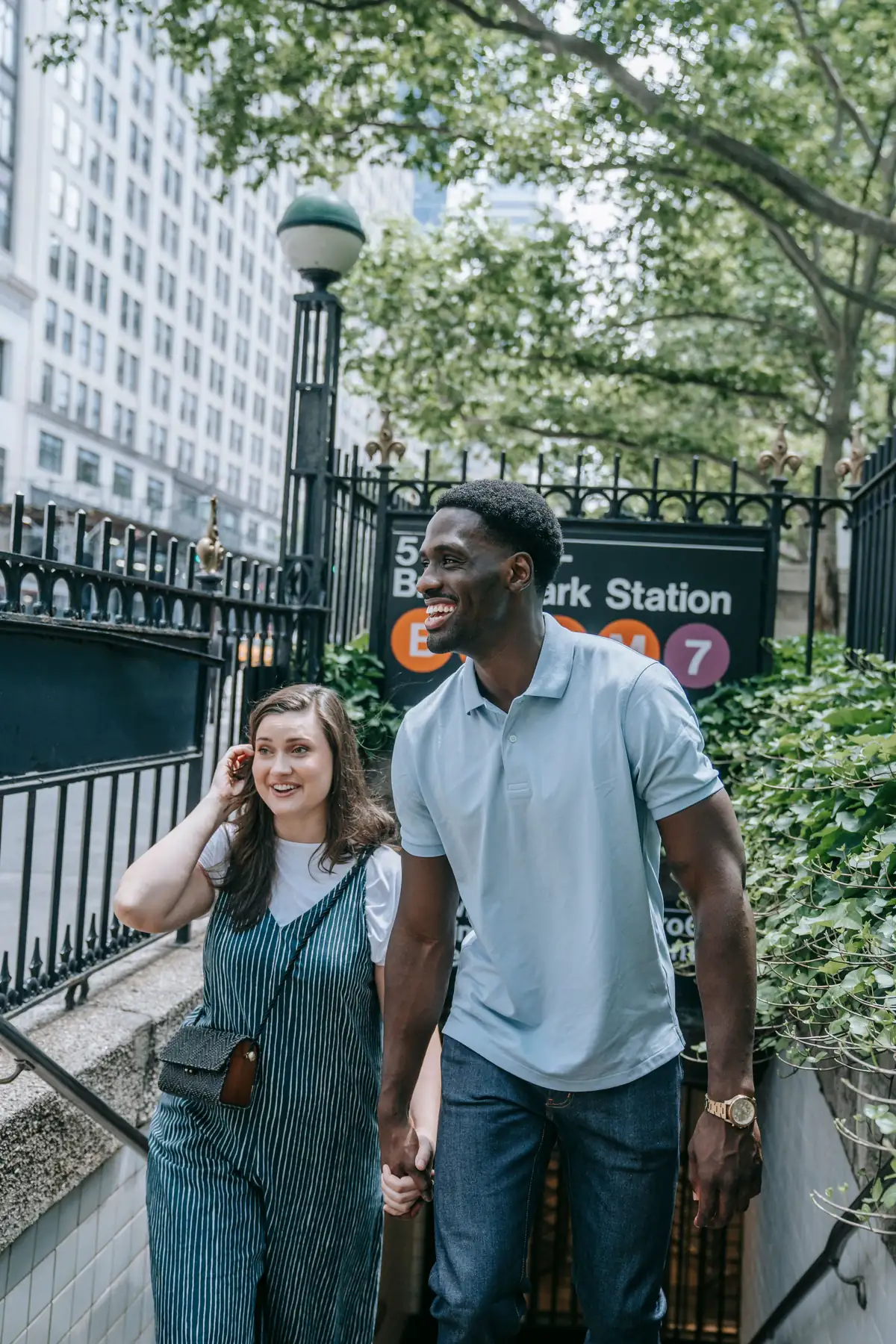
Chicago is a city of neighborhoods, and each one has its own distinct character, but nearly all of them share a strong civic and political identity rooted in the city's long history of labor organizing, community organizing, and machine politics that, love it or hate it, has always kept politics close to everyday life here. That history isn't distant, it shapes how Chicagoans talk about their city, their unions, and their neighbors, and it makes shared political values feel like a natural starting point for a relationship rather than an awkward topic.
Where Chicago's Democrat community shows up
Wicker Park, Logan Square, and Pilsen have some of the city's most visible progressive social scenes, dense with independent venues, community organizations, and mutual aid networks. Hyde Park, home to the University of Chicago, brings an academic, policy-engaged crowd into the mix, while neighborhoods across the South and West Sides have deep-rooted community organizing traditions that regularly intersect with the city's broader political life.
Chicago's union culture remains one of the strongest in the country, and it's not unusual for a date to touch on labor organizing, especially given how visible unions remain in the city's teaching, transit, and service industries. For a lot of members, that kind of engagement isn't a niche interest, it's simply part of what it means to be a Chicagoan.
What a first date in Chicago actually looks like
The lakefront path, stretching nearly 20 miles along Lake Michigan, is one of the most popular first-date settings in the city, whether for a walk, a bike ride, or just a bench and a coffee. Chicago's neighborhood-based restaurant and coffee shop scene means a first date rarely requires much travel, most members can find a good, low-key option within their own neighborhood or a short train ride away on the L.
Given Chicago's brutal winters, a lot of dating life shifts indoors for several months, museums, breweries, and the city's renowned theater and comedy scene become the default rather than outdoor activities, and members who've dated here for a while tend to build a mental list of good cold-weather date spots early on.
A genuinely large, genuinely engaged community
With a city this large and this consistently Democrat, the challenge isn't finding progressive singles, it's finding the ones who are actually compatible with you beyond shared politics. A values-first starting point does real work here, narrowing millions of Chicagoans down to the people who are more likely to actually fit, before you've spent months figuring that out the long way.
A city of neighborhoods, not one dating scene
Chicago's roughly 77 official community areas each function almost like their own small city, with distinct social scenes, price points, and civic cultures. Members who've lived in more than one neighborhood often describe a genuine shift in dating rhythm moving from, say, Andersonville's tight-knit LGBTQ-friendly scene to Bronzeville's rich cultural and civic history, or from the University of Chicago's academic orbit in Hyde Park to the younger, faster pace of Lincoln Park. That variety means Chicago rewards some exploration, the city rarely feels the same two neighborhoods over.
The L train ties the whole patchwork together, making it realistic to date someone from an entirely different part of the city without much added friction, one of the practical advantages of a city built around a genuinely comprehensive public transit system.
Getting started in Chicago
Creating a profile connects you to Democrat singles across all of Chicago's neighborhoods, not just your immediate area. As with any online dating platform, ordinary precautions apply: meet in public, arrange your own transportation, and take time getting to know someone before sharing personal details. Chicago's grid layout and extensive train and bus network make it one of the more navigable big cities in the country for actually following through on a match.
A city where ward politics still matters
Chicago's 50 wards each function almost like their own small political ecosystem, with aldermen, community organizations, and precinct-level organizing that gives residents a genuinely direct line to local governance. That structure has produced both the city's famous political machine history and, more recently, some of the most effective grassroots progressive organizing in the country, work that's reshaped city council and driven real policy change on housing, policing, and labor.
For members, that history means political engagement in Chicago rarely stays abstract for long. Someone's neighborhood alderman race or a specific ward-level organizing campaign is often a more immediate, concrete topic of conversation than national politics, and that groundedness is part of what gives Chicago's Democrat community its practical, results-oriented character.
A city with genuine loyalty to its neighborhoods
Ask most Chicagoans where they're from and they won't say Chicago, they'll name their neighborhood, Pilsen, Rogers Park, Bridgeport, and that specificity carries real meaning. Each neighborhood has its own identity, its own local institutions, and its own version of what it means to be a Chicagoan, and members often describe getting to know someone's neighborhood as a genuine part of getting to know them. That neighborhood-first identity is part of what makes Chicago's dating scene feel more textured and specific than a lot of other big cities.
Chicago's deep bench of neighborhood-level community organizations, mutual aid networks, tenant unions, block clubs, also means political engagement here rarely stays abstract. It's common for a first date to touch on a specific, local issue, a school closing, a development fight, a transit expansion, rather than national politics alone.
Chicago's dozens of colleges and universities, from the University of Chicago and Northwestern to DePaul and UIC, keep the city's dating pool constantly refreshed with new graduates, many of whom choose to stay in the city specifically because of its combination of affordability relative to New York, career opportunities, and a political culture that consistently matches their own values.
Chicago's free and pay-what-you-wish museum days, along with its extensive network of neighborhood cultural centers, give members an accessible, low-cost way to explore the city together regardless of budget, an important consideration in a city where the cost of living has risen steadily in recent years.
Chicago's four distinct seasons also shape its dating culture in a real way. Summer brings an explosion of outdoor festivals, block parties, and lakefront activity that can make the city feel like one continuous street fair for a few months, while winter pushes social life indoors into the city's dense network of theaters, museums, and neighborhood bars. Members who've lived through a few Chicago winters often describe a genuine appreciation for how the city comes alive again each spring, a shared, almost collective sense of relief that becomes a natural conversation topic on its own.
Chicago's comedy and improv scene, anchored by institutions like Second City, has launched generations of performers and given the city a genuinely sharp, self-aware sense of humor about itself, a quality that shows up regularly in how residents talk about their own politics and civic life.